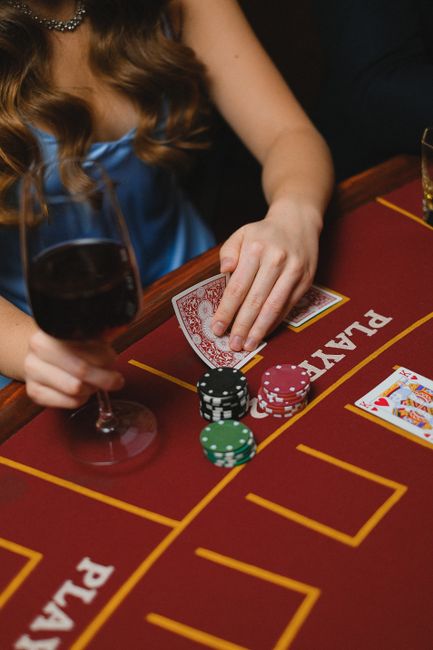

You've seen the flashy ads: a guy in a tuxedo wins a million on a single spin, a poker pro stares down a bluff with icy confidence, and a sports bettor cashes out a parlay that turns $10 into $10,000. It's intoxicating. But behind the neon lights and slick interfaces, iGaming is a multi-billion-dollar industry built on math, psychology, and a little bit of luck. Whether you're a curious newbie or a seasoned grinder, understanding how these games actually work—and how to navigate them without losing your shirt—is everything.
In this post, I'm pulling back the curtain on slots, poker, and betting. No fluff, no hype. Just real talk from someone who's been around the virtual felt and the reels long enough to know what matters.
Slots: The Engineered Illusion of Near-Misses
Let's start with the most popular and most misunderstood game: slots. Modern video slots are not mechanical machines with physical reels. They're powered by random number generators (RNGs) that produce thousands of outcomes per second. The spinning animation? Pure theater. The result is already decided the moment you hit that button.
Here's what the casinos don't shout about: volatility and return to player (RTP). RTP is the theoretical percentage of all wagered money a slot pays back over millions of spins. A 96% RTP means the house edge is 4%. But that's a long-term average. In a single session, you could hit a 1000x jackpot or lose 50 spins in a row. Volatility describes how those wins are distributed. Low volatility slots pay small amounts frequently—think 2x to 10x your bet. High volatility slots are like lightning: long dry spells followed by massive strikes that can be 5000x or more.
If you're on a tight bankroll, high-volatility slots will eat you alive. I learned that the hard way chasing a progressive jackpot on a slot with a 94% RTP and extreme volatility. Two hundred spins, zero wins over my bet size. Ouch.
Smart slot play comes down to a few principles:
- Check the RTP. It's usually buried in the game's help screen. Anything below 95% is stingy; 96%+ is fair. Some slots like Blood Suckers (98%) are legendary for their generosity, though they're rare.
- Match volatility to your budget. Low volatility for grinders, high volatility for thrill-seekers with deep pockets.
- Set a loss limit and stick to it. The RNG doesn't care about your feelings.
- Use bonuses wisely. A 100% match bonus with a 40x wagering requirement on slots is actually decent. But read the terms—some games contribute only 10% to wagering.
One more thing: stop chasing losses. The math never changes. The slot doesn't know you're due. Before making a choice, it helps to review 789Win.
Poker: The Only Game Where You Play Against People, Not the House
Poker is a different beast. In cash games and tournaments, you're not fighting the casino; you're fighting other players. The house takes a rake—typically 5% of the pot up to a cap—but your edge comes from outplaying opponents, not from beating a fixed house edge.
That's why poker is the most skill-intensive form of iGaming. It's also the most mentally demanding. I've seen players crush $1/$2 for years but fail at $5/$10 because they can't handle the swings. Bankroll management is not optional; it's survival.
Here's a quick rule of thumb for cash games: have at least 20 buy-ins for the stakes you play. For $1/$2 no-limit, that's $4,000. If you can't afford that, drop down. The sharks will smell fear.
Online poker adds another layer: tracking software and HUDs (heads-up displays) are allowed on most sites (except a few like WSOP.com in the US). These tools show you opponent stats like VPIP (voluntarily put money in pot) and aggression frequency. If you're not using them, you're playing blind. But be careful—some sites ban third-party tools, so check the terms.
Also, beware of bots and collusion in lower-stakes games. It's rare but real. Stick to reputable sites with strong security, and if a table feels off—unusually tight or strangely passive—just leave. Your edge is fragile enough without paranoia.
For tournament players, the dynamic shifts. You can't rebuy in most online tourneys, so survival is key. Early on, play tight. As blinds increase, steal aggressively. And final table deals? They're a negotiation—know your ICM (Independent Chip Model) or you'll get fleeced. You will find a helpful summary at 789 Win.
Sports Betting: Where Information Is King
Sports betting has exploded in the US and beyond. But let's be clear: the bookmaker's margin is baked into the odds. A typical point spread has -110 on both sides, meaning you risk $110 to win $100. That's a 4.76% house edge. To beat it long-term, you need a genuine informational advantage.
That could be advanced stats, injury news before it hits the mainstream, or a deep understanding of a niche league. In the NFL, for example, sharp bettors focus on line movement—when a line moves from -3 to -4.5 without news, money is coming in on the favorite. Following the smart money is a viable strategy, but only if you act fast.
Prop bets are where recreational bettors often find value. Will a quarterback throw for over 275 yards? The bookmaker's odds might be -115, but if you've crunched the numbers and see a 60% chance, that's a positive expected value (+EV) bet. Over hundreds of bets, that's profit.
But here's the hard truth: most bettors lose. The house edge grinds you down. So treat betting as entertainment, not income. Use a separate bankroll, never bet on your favorite team (emotions cloud judgment), and don't chase parlays. A 5-team parlay has a 3.1% chance of hitting at standard odds—that's a lottery ticket, not a strategy.
Bankroll Management: The Unsexy Superpower
I don't care if you're spinning slots, playing poker, or betting on football. Without bankroll management, you're toast. Here's a simple framework:
- Define your total iGaming bankroll. This is money you can afford to lose entirely.
- Allocate by game type. If you play slots and poker, split it. Don't cross-contaminate.
- Set stop-loss and stop-win limits. Walk away if you lose 20% of your session bankroll. Walk away if you win 50%—greed kills.
- Track everything. Use a spreadsheet. Log wins, losses, and emotional state. Patterns will emerge.
I once went on a 12-buy-in downswing in online poker. Because I had 30 buy-ins and dropped stakes after 10, I survived. The players who don't do this go broke and blame bad luck.
The Psychological Trap: Why You Keep Coming Back
iGaming is engineered to be addictive. Variable ratio reinforcement—the same principle that makes slot machines so compelling—triggers dopamine release. Near-misses (two jackpot symbols with one blank) light up your brain like a win. Social casinos use fake currency to hook you before you deposit real money.
Know the signs: chasing losses, lying about time spent, feeling anxious when not playing. If any of that sounds familiar, take a break. Use deposit limits, self-exclusion tools, or apps like Gamban. There's no shame in walking away.
That said, for most people, iGaming is entertainment. The key is to treat it like a night out—set a budget, have fun, and don't expect to pay your rent with it.
Final Thoughts: Play Smart, Not Hard
The iGaming world is a labyrinth of flashing lights and clever math. Slots are pure chance with a house edge you can't beat. Poker rewards skill but punishes ego. Sports betting is a battle of information and discipline. None of them are get-rich-quick schemes.
But that doesn't mean you can't enjoy them. Understand the odds, manage your money, and never bet more than you can lose. If you do that, you'll be ahead of 90% of players—most of whom are just clicking buttons and hoping.
So next time you log in, ask yourself: are you playing the game, or is the game playing you? Choose wisely.