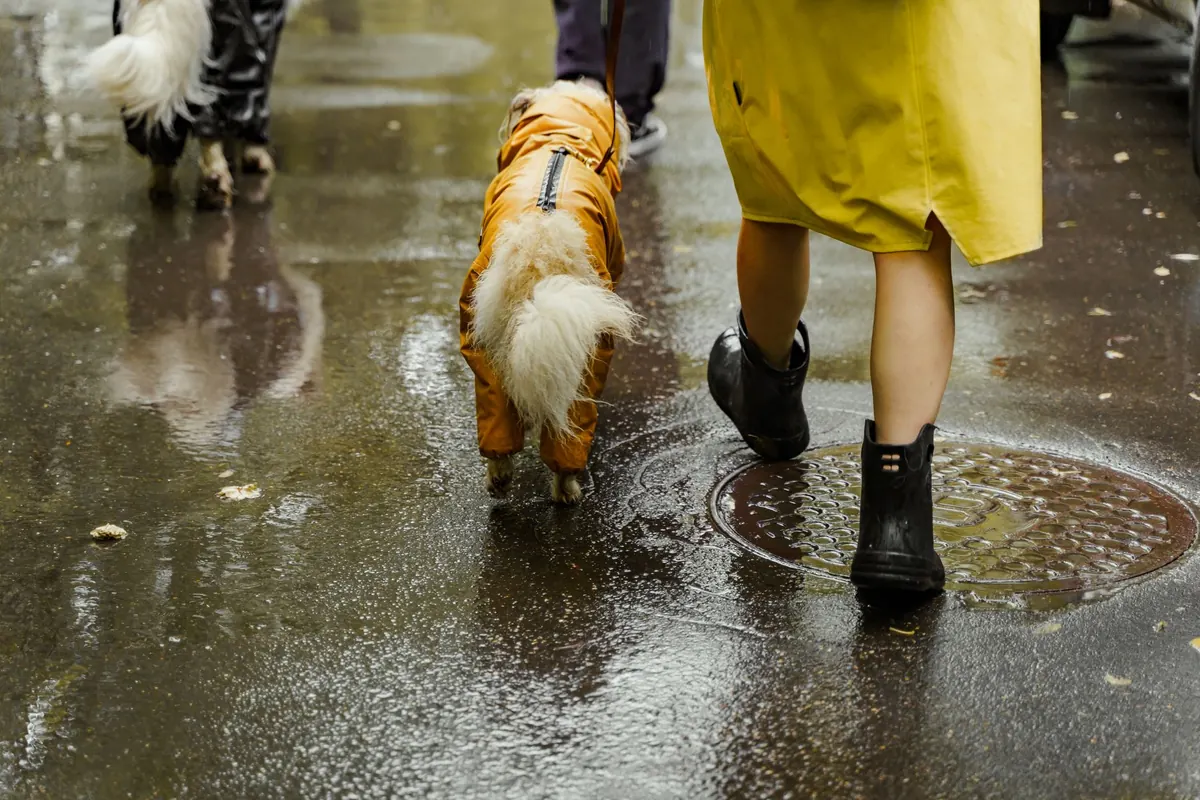


Festival fields are rarely the manicured lawns the photos promise. A wet week turns the campsite into a swamp, and a dry one turns it into a dust bowl full of hidden dips, tent pegs and abandoned cans. Trainers lose either battle. Wellies win both, which is why almost everyone you'll see on day two is wearing rubber. But the pair that suits a muddy dog walk isn't automatically the pair that will carry you through three days of standing, queuing and dancing. Here's what to look at before you spend your money.
Start with height, because it decides everything else
Boot height is the first real choice, and it affects weight, warmth, comfort and how much protection you get. Festival boots generally come in three lengths.
Ankle and short boots
Light, cheap to pack and easy to walk in. They work for a day festival on hard standing or a weekend where rain is unlikely. In deep mud they're close to useless, because once the mud is over the top, it's inside.
Mid-calf boots
A sensible middle ground. They keep splashes out, weigh less than tall boots and are much easier to pull off in a dim tent at two in the morning. For most first-timers, this is the height that gets worn most often afterwards.
Knee-high boots
The classic festival welly, reaching to just below the knee. Best protection against deep mud and standing water, and the warmest option. They're also the heaviest, and if the top edge sits exactly on the crease behind your knee, it will rub every time you bend. If that's where the boot lands, try the next size up or drop to mid-calf.
Soles matter more than the pattern on the outside
Look at the tread before you look at the colour. Deep lugs with clear gaps between them shed mud as you walk. Tight, shallow patterns clog within a few steps and turn into skates on wet grass. A slightly softer rubber compound grips damp boardwalks and grassy slopes better than hard, shiny plastic.
Check the heel too. A low, defined heel bites into soft ground and gives you a bit of stability on the slope between the campsite and the main stage. Completely flat soles are for pavements, not fields.
Then flex the boot at the ball of the foot. It should bend with you rather than fight back. Press the sole with your thumb as well: a thin sole feels fine in the shop and feels miserable after three days on gravel. If you'll be on your feet from noon until midnight, a little cushioning is worth the extra weight.
Getting the fit right, where most people go wrong
Wellies don't break in the way leather boots do. They either fit or they don't, and a boot that's slightly too big becomes a blister machine by the second afternoon.
- Measure your feet in the afternoon, when they're at their largest, and again at the end of a day on your feet.
- Leave a little room at the toe — roughly a thumbnail's width. Your feet move forward on downhill ground.
- Check the calf. If you have wider calves, look for adjustable gussets, buckles or a wide-fit range. A boot that pinches at the top restricts you all day.
- Try both boots on and walk on both a hard floor and something soft, if the shop has a mat.
- Think about the insole. Many boots come with a thin, flat one, and swapping it for something with a bit of support is one of the cheapest comfort upgrades available.
Socks do more work than people expect. Wool and synthetic blends move sweat away and cushion impact; cotton holds moisture and creates friction. Bring two pairs per day — a thin liner sock under a thicker outer sock — and change them at lunchtime.
Keeping them on, and keeping them yours
Mud grabs a sole and tries to keep the boot with it. A boot that's loose around the ankle will come off mid-stride, usually in front of a crowd. Look for a snug fit at the ankle, a pull tab at the back to help you get them on, and an adjustable strap at the top if you want extra security.
Laces help hold the boot in place but are fiddly with muddy hands. A simple top strap is usually the better festival compromise. And write your name inside the top edge of both boots. Campsites contain hundreds of near-identical black wellies, and yours will be borrowed by accident at least once.
Choosing a style you'll wear again
Light, bright boots look brilliant in a field and show every splash of mud. Very dark boots hide the mud but show the dust. Mid-tones, muted colours and busy prints tend to disguise the worst of both, and photograph well without looking staged.
Think about what you'll wear with them. Tall boots against bare legs will rub on a warm day, so either choose mid-calf or plan on long socks. If your festival wardrobe is mostly dark, a coloured boot does a lot of work for very little effort.
A quick checklist before you buy
- Height suits the mud you're likely to meet.
- Tread is deep, spaced and flexible.
- Snug at the ankle, roomy at the toe, comfortable at the calf.
- Pull tab, strap or gusset for security.
- Light enough to walk a mile in without regret.
- A colour you'd wear on a wet Tuesday at home, not just on a poster.
Break them in and pack them properly
Wear new boots around the house, then on two or three short walks, for about a week before you go. Twenty minutes a day is enough to show you where they rub, and a hot spot found at home is far easier to fix than one found in a queue for the toilets. Blister plasters and moleskin work best applied before the damage, not after.
When you pack, stuff socks inside the boots to hold their shape, keep them in a bag so they don't coat the rest of your kit, and take a plastic bag or boot bag for the journey home. Add a small cloth for wiping them down; a minute of effort at the end of the weekend saves you scraping dried mud off in a car park.
Finally, if you have diabetes, circulation problems or a long-standing foot condition, it's worth speaking to a podiatrist or your doctor before committing to three days in rubber boots. Rubber doesn't breathe, feet swell, and standing on uneven ground is harder work than it looks. A little advice beforehand goes a long way.
Photo: Vika Glitter / Pexels