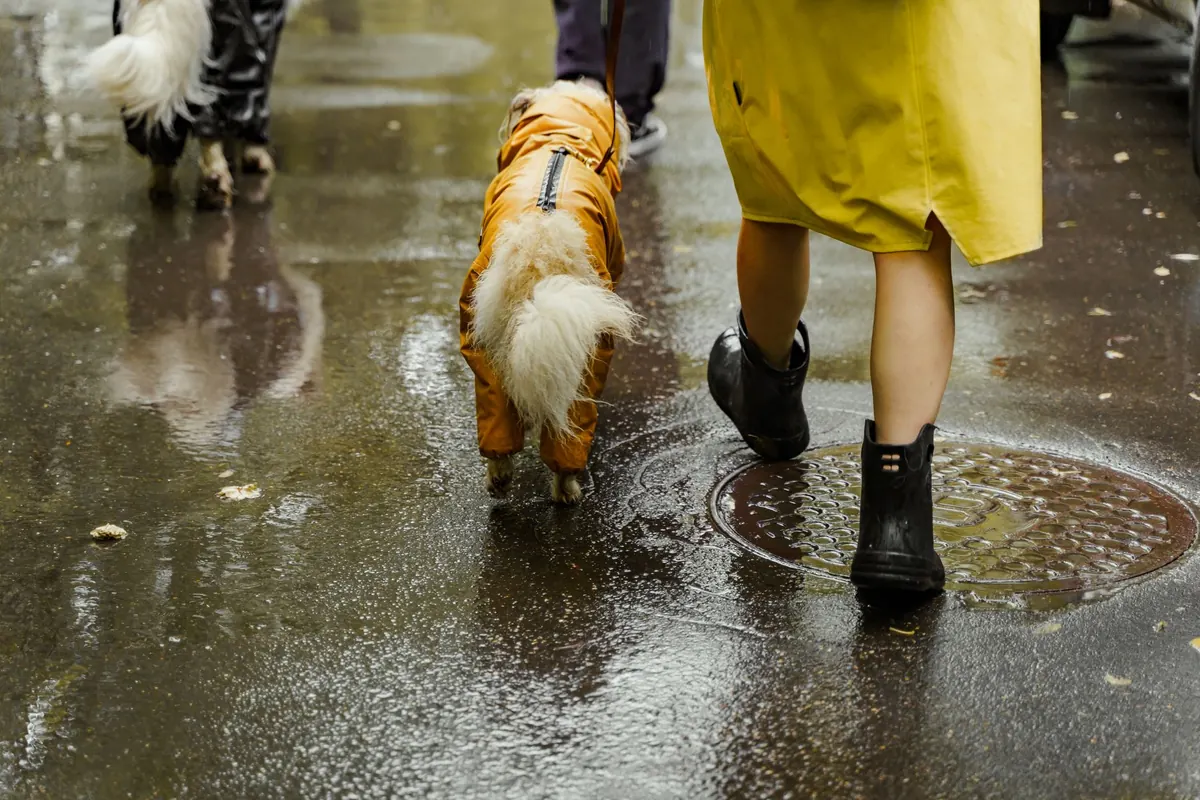


It's 7:35 on a Tuesday, the pavement outside is a shallow river, and your child is standing in the doorway in canvas trainers insisting they'll be fine. You have ninety seconds to decide whether to send them back upstairs for the wellies. Rain boots aren't always the right answer — on a dry day they're heavy and clammy, and kids run slower in them. The trick is knowing which conditions genuinely call for rubber, and which ones just need a spare pair of socks in the backpack. Here's how the seasons shake out.
What Rain Boots Actually Do That Sneakers Can't
A rain boot is a specialised tool, not an everyday shoe. It's waterproof from the sole to the shaft, with no laces to soak, no mesh to wick water upward, and no foam midsole to hold dampness for three days.
Height matters more than most parents expect. A short boot that stops below the ankle keeps out splashes and wet grass. A taller one handles the puddles kids actually aim for. What rain boots don't do is breathe, cushion, or grip well on wet tile, icy paths, or smooth playground surfaces.
So use a simple rule: if water can reach your child's ankle within the first ten minutes outdoors, boots. If it can't, regular shoes plus dry socks are usually the better call.
Spring: Puddle Season and the School Run
March through May is the muddiest stretch of the year. Melting snow, soft ground, and showers that arrive without warning all mean water hanging around long after the rain stops.
This is peak rain boot weather, especially if your child walks to school, plays outside at break, or takes part in forest school sessions. Wet socks at 10 a.m. mean cold feet for the rest of the day, and most teachers won't let a child sit in soaked shoes.
Spring is also when unlined boots make the most sense. They're lighter than insulated pairs, and with a thin cotton sock they're comfortable well into mild weather.
When trainers are the better pick
- The forecast is dry and the route is paved.
- Your child is indoors for most of the day.
- They're doing sport or running games where grip and speed matter.
- It's warm enough that rubber would leave their feet sweaty by lunchtime.
Summer: Showers, Camp, and Wet Grass
Most summer days, trainers and sandals win. Rubber boots in genuine heat turn into small saunas, and kids will complain long before you notice.
There are exceptions, though. Summer camp with stream walks, hose play in the garden, muddy festival fields, and early-morning dog walks through wet grass all justify a pair. Keep them unlined and pair them with thin cotton or bamboo socks.
A useful habit for June through August: leave a pair in the car. A sudden downpour on the way home from the beach is much less dramatic when someone can swap shoes at the boot.
Autumn: The Season Rain Boots Earn Their Keep
September to November is when boots move to the front door and stay there. Wet leaves are slippery, verges flood, drains back up, and the walk to school gets darker and damper by the week.
For many families, this is four or five days out of seven. Two things make the biggest difference here: tread and socks.
- Tread: Look for a deep, defined pattern. Smooth soles slide on wet leaf litter and painted crossings.
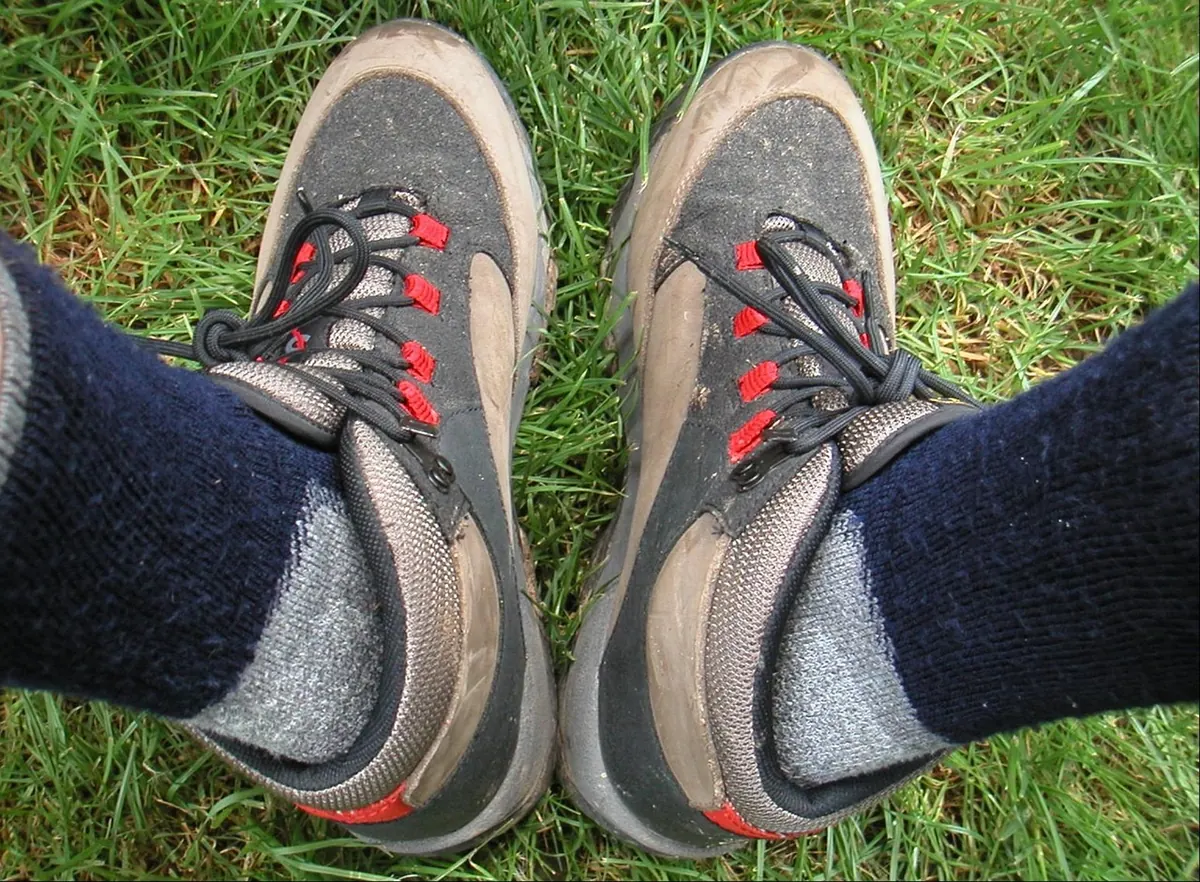
- Socks: Wool blends stay warm even when damp. Cotton holds water against the skin and gets cold fast.
- Backups: A rolled-up pair of socks in the school bag costs nothing and rescues plenty of afternoons.
If your child wears boots daily through autumn, consider two pairs and rotate them. Rubber that never dries out starts to smell, and the inside lining breaks down faster.
Winter: Snow, Slush, and the Cold-Feet Question
This is where rain boots get complicated. Rubber itself insulates poorly, and in cold air it stiffens and feels even chillier underfoot. An unlined boot in snow gives you cold feet within minutes, even though the foot stays dry.
Slush is the real enemy. It's water hovering around freezing, and it soaks through fabric shoes instantly. Options that work:
- Insulated rain boots with a fleece or neoprene liner.
- Unlined boots plus a removable liner and thick wool socks.
- Proper snow boots for deep snow, long walks, or extended outdoor play.
One caution: rain boot rubber is not designed for ice. If your school run involves icy pavements, a snow boot with a lugged sole is safer. And if feet do get wet in the cold, change socks and shoes as soon as you're indoors rather than letting them sit damp.
The 30-Second Decision Checklist
On a rushed morning, run through these in order and you'll usually land on the right answer:
- Is it raining now, or likely to rain before pickup?
- Will your child walk through puddles, wet grass, or flooded corners?
- How long are they outside — ten minutes or two hours?
- Is there a waterproof alternative in the closet, like leather shoes or waterproof trainers?
- Is there a spare pair of socks in the bag?
- What's the temperature? Below about 5°C, add insulation. Above 20°C, go unlined or skip boots entirely.
- What's the activity? Sitting in a classroom is different from a muddy field trip.
Practical Notes Before You Buy or Pack
Fit matters as much as waterproofing. Leave roughly a thumb's width of space at the toe for growing room, but not so much that the boot slides around — loose boots cause blisters and trips. Choose socks that stay warm when damp, and dry boots thoroughly between wears by pulling out the insoles if they come free and stuffing the boots with newspaper.
One more thing: if your child has foot pain, wears orthotics, or has a diagnosed foot or gait condition, rubber boots may not be suitable for daily wear. Check with your pediatrician or a podiatrist before making them the default shoe for a whole season.
Photo: diego_torres / Pixabay