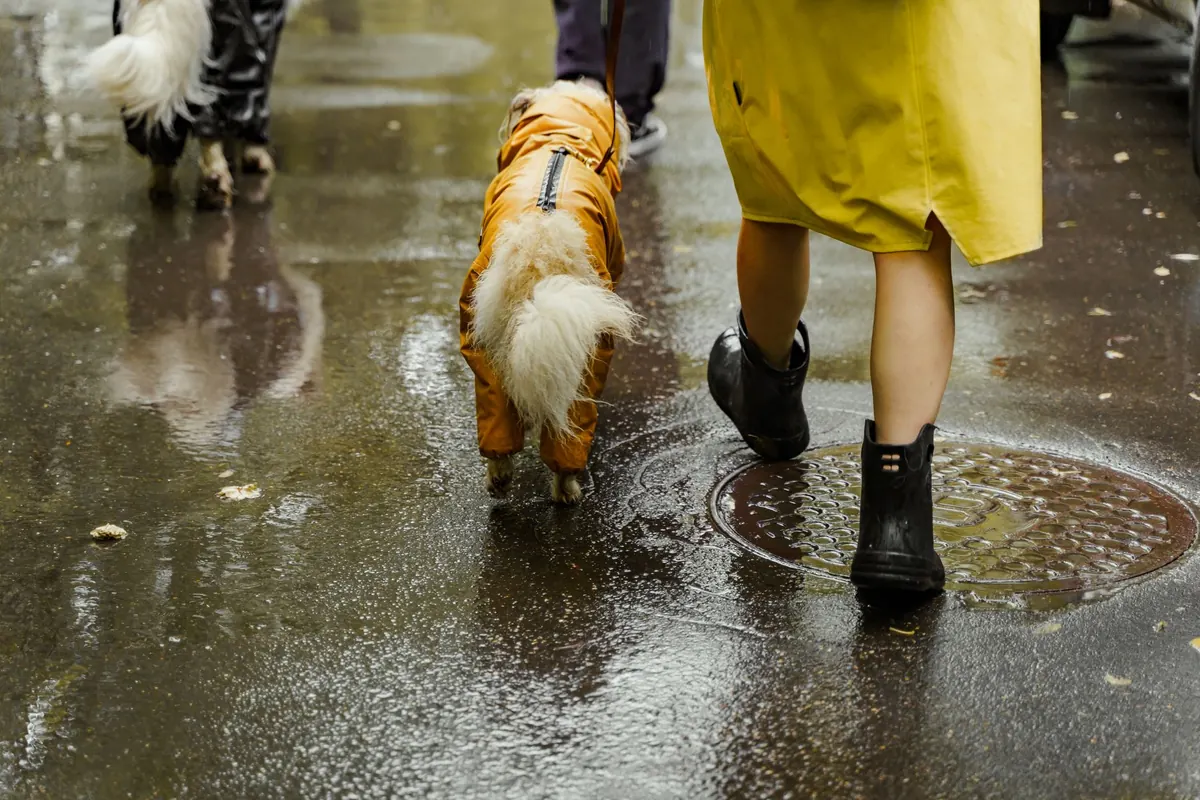

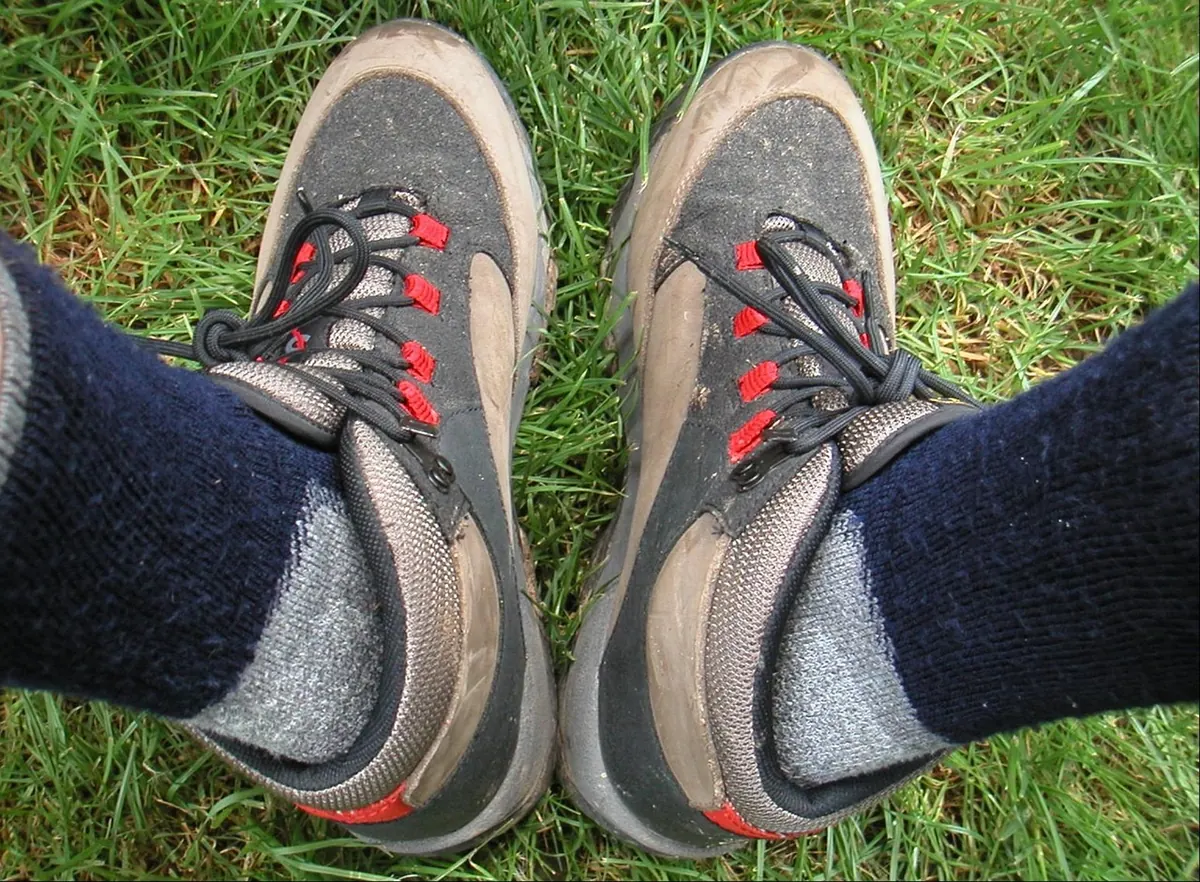
Pull on a pair of rain boots in January and you learn something fast: rubber is a brilliant barrier and a terrible insulator. It keeps water out and holds everything else in — heat, sweat, and friction. The boot gets all the attention, but the sock is what decides whether your feet feel cosy at the end of a long walk or raw and clammy.
Wool, bamboo, neoprene, and seamless socks each solve a different problem. None of them is the "best" sock in every situation. The trick is knowing which one your feet need on a wet Tuesday in February versus a mild morning in April.
What a Sock Actually Has to Do Inside a Rubber Boot
A rain boot doesn't breathe the way leather or mesh does. The moisture your feet produce has nowhere to go except into your sock, and once that sock is saturated, it sits against your skin. So a good rain boot sock has to do four jobs at once: move sweat away from the skin, hold warmth even when damp, cushion the heel and toe where rubbing happens, and sit smooth and wrinkle-free inside the boot.
That last point matters more than most people realise. A bunched-up heel, a twisted cuff, or a thick seam across the toes creates a pressure point, and pressure points turn into blisters. A twenty-dollar sock can't save a boot that's the wrong size, but the right sock makes a well-fitting boot noticeably better.
Wool: The Reliable Cold-Weather Workhorse
Wool remains the standard for wet, cold conditions, and for good reason. It holds warmth even when it takes on moisture, it cushions well, and it resists odour far better than cotton or most synthetics. In a boot that traps sweat, that combination is hard to beat.
Merino versus coarser wool
Merino is fine, soft, and thin enough for everyday wear — a good choice if standard wool makes you itch. It's also less bulky, which matters if your boots are already snug. Coarser wools, such as traditional ragg or lambswool blends, are denser and more hard-wearing, with more loft for standing around in the cold. They're often cheaper, but some people find them scratchy against the skin.
- Best for: winter walks, cold mornings, long days outdoors.
- Look for: a wool blend with some nylon for durability, and cushioned heel and toe.
- Watch out for: bulk. Thick wool socks can turn a comfortable boot into a tight one.
Bamboo: Soft, Breathable, and Good for Milder Days
Bamboo socks feel almost silky, and that smooth surface is their main advantage — less friction against skin means fewer hot spots. They absorb moisture well and feel cool rather than clammy, which makes them pleasant for spring and autumn, or for anyone who simply can't tolerate wool.
The catch is what happens when they get properly soaked. Bamboo holds onto water, so a drenched bamboo sock stays wet and stops insulating. It's a fine choice for walking the dog, gardening, or a quick dash through town; it's a poor choice for standing in cold water for two hours. Bamboo also stretches out over time, so a blend with wool or a small amount of synthetic fibre keeps its shape far better than pure bamboo.
Neoprene: For Genuinely Cold, Genuinely Wet Days
Neoprene socks are the heavy artillery. They're used by anglers, marsh walkers, and anyone who spends hours with cold water lapping at their boots. Neoprene insulates even while wet, adds real cushioning underfoot, and shrugs off mud in a way fabric socks never will.
They have real drawbacks, though. Neoprene doesn't breathe, so your feet will get sweaty and stay that way. It's bulky, which usually means going up half a size in boots. It takes a long time to dry, and it can hold onto odour. Treat neoprene as specialist kit for cold, wet, stationary work rather than an everyday sock.
Seamless Socks: The Simplest Blister Fix
If blisters are your main complaint, start here. The seam across the toe of a standard sock is one of the most common rub points in a rubber boot, because the boot doesn't flex with your foot the way a running shoe does. Seamless socks are knitted as a continuous tube with no ridge at the toe, which removes that friction line entirely.
When shopping, check for these details:
- A smooth or hand-linked toe — no bulky stitch line across the toes.
- Padded heel and toe with a thinner midfoot, so the sock stays put without bunching.
- A snug fit — snug, not tight. Baggy socks fold, and folds rub.
- Crew or knee height that clears the boot collar, so the rubber edge never contacts bare skin.
Matching Socks to Boots and Weather
A small rotation covers almost everything:
- Freezing mornings: midweight merino, or merino over a thin liner sock.
- Rainy, muddy, standing-still work: neoprene, in boots sized up to accommodate.
- Mild spring and autumn: bamboo or a light merino blend.
- Long walks in wellies: thin seamless liner plus a light wool outer sock — the liner takes the friction, the wool handles moisture.
Five Habits That Keep Blisters Away
- Fit the boot to the sock. Try boots on with the socks you'll actually wear. Thick wool can turn a perfect fit into a pinching one.
- Break boots in gradually. Two short walks before a five-mile one.
- Carry a spare pair. Changing into dry socks halfway through a wet day prevents most rubbing before it starts.
- Keep toenails trimmed and smooth any rough skin on your heels — rough edges catch on fabric.
- Address pain early. If a hot spot appears, stop and deal with it rather than walking through it.
If you have diabetes, poor circulation, or a foot condition that makes rubbing a genuine risk, it's worth speaking to a podiatrist or foot health professional about sock thickness and boot fit before you commit to long days in wellies.
Building a Sock Rotation That Works
You don't need a drawer full of options. Three pairs cover almost every rainy day: a midweight merino for cold, a seamless light pair for long walks, and a bamboo or thin wool pair for mild weather. Add neoprene only if you're regularly standing in cold water.
Look after them and they'll look after your feet. Turn socks inside out to wash so the cushioning doesn't pill, skip fabric softener — it coats the fibres and reduces their ability to move moisture — and air dry rather than tumble drying wool. Replace any pair once the heel thins or the cuff goes slack; a stretched sock slides down and bunches, which is exactly the problem you bought good socks to avoid.
Photo: erge / Pixabay