
The gate swings open, you step onto the path, and your leading foot slides a full hand's width sideways in the mud. It happens on the same corner every winter: the dip where the site drainage gives up and the water sits for three days after the rain stops. Everything after that is a matter of whether your boots were ready before you left the house.
Wet weather does not have to cancel a gardening day. It just asks for a bit more thought at the door. Here is the checklist worth running through before you load the wheelbarrow.
Check the Sole Before Anything Else
Tread is the whole reason you are wearing wellies and not trainers. Run a thumb across the sole and look at the gaps between the lugs. On a good boot for allotment work, those gaps are wide and deep enough that mud falls out as you walk instead of packing in and turning the sole into a slick slab.
Shallow, closely spaced tread is fine for a garden centre car park and hopeless on wet clay. If your boots have been through two or three seasons, check the heel and the ball of the foot for flattened patches. A worn smooth sole is more dangerous on a slope than a bare one, because it gives you false confidence.
Test the grip on your own wet paving before you trust it beside the shed. If the boot slips on a level path, it will slide on the plank over the compost heap.
Pick the Height for the Job, Not the Forecast
Ankle boots are pleasant for summer hoeing and useless in February. Allotment paths hold water in ruts and hollows, and the puddles by the standpipe are often deeper than they look. Knee-high boots earn their place from autumn through spring.
- Knee-high: winter digging, flooded paths, working near the water butt or in the low corner of the plot.
- Mid-calf: a good all-rounder for most of the year, easier to walk in over distance.
- Ankle: dry spells, raised beds, greenhouse days, quick trips to cut salad.
Whatever the height, water finds its way in over the top if you wade carelessly. A boot with an adjustable top strap stays put when you are stepping over netting or straddling a raised bed, and it keeps the boot from pulling off in deep, sticky mud — the classic allotment indignity.
Support: The Part Most Gardeners Skip
You will spend two or three hours standing, kneeling, twisting and lifting. A boot with a flat, unstructured sole feels perfectly fine for the first twenty minutes and starts complaining in the ankles by the second hour. Look for a defined heel, a sole thick enough that you cannot feel every stone through it, and a bit of stiffness under the arch.
If a favourite pair is comfortable but unsupportive, a decent insole can buy you another season. Size matters here too. Too much room and your foot slides, which causes rubbing on the heel and blisters before lunch. Too little and your toes jam against the front on every downward step — and downhill paths at an allotment tend to be steeper than you remember.
Warmth Without Overheating
Cold feet come from two directions: insufficient insulation and restricted circulation. Neoprene-lined boots are noticeably warmer than plain rubber, but they can be clammy in a mild spell. Rubber boots with a removable fleece liner give you flexibility — liner in for frost, liner out for a damp October afternoon.
Socks do more work than most people give them credit for. Wool or a wool blend wicks moisture away and stays warm when damp; cotton holds sweat against the skin and turns cold. Smooth seams and no tight cuffs, because a sock that pinches at the calf is not doing your toes any favours.
If your feet tend to get cold quickly or you have circulation problems, diabetes or reduced feeling in your feet, treat footwear as a health matter and get advice from a health professional rather than pushing through a cold, damp morning. A short conversation is worth more than a season of misery.
Five Minutes at the Door: A Pre-Garden Boot Check
- Knock the old mud out of the tread from last week. A stick or the edge of the step does it in seconds.
- Run your hand inside — dry, no grit, no damp patch at the heel.
- Put the liner back in if the forecast is cold, and take it out if it is mild and wet.
- Match height to today's job: tall for digging and flooded paths, short for raised beds and the greenhouse.
- Pull on wool socks with straight seams, then check the boot is not pinching across the top of your foot.
- Fasten straps, and decide on trousers — tucked into tall boots keeps the hems clean; worn over short boots keeps rain out of the boot itself.
- Drop a spare pair of socks and a plastic bag into your bag for the journey home.
Cleaning Up After a Muddy Day
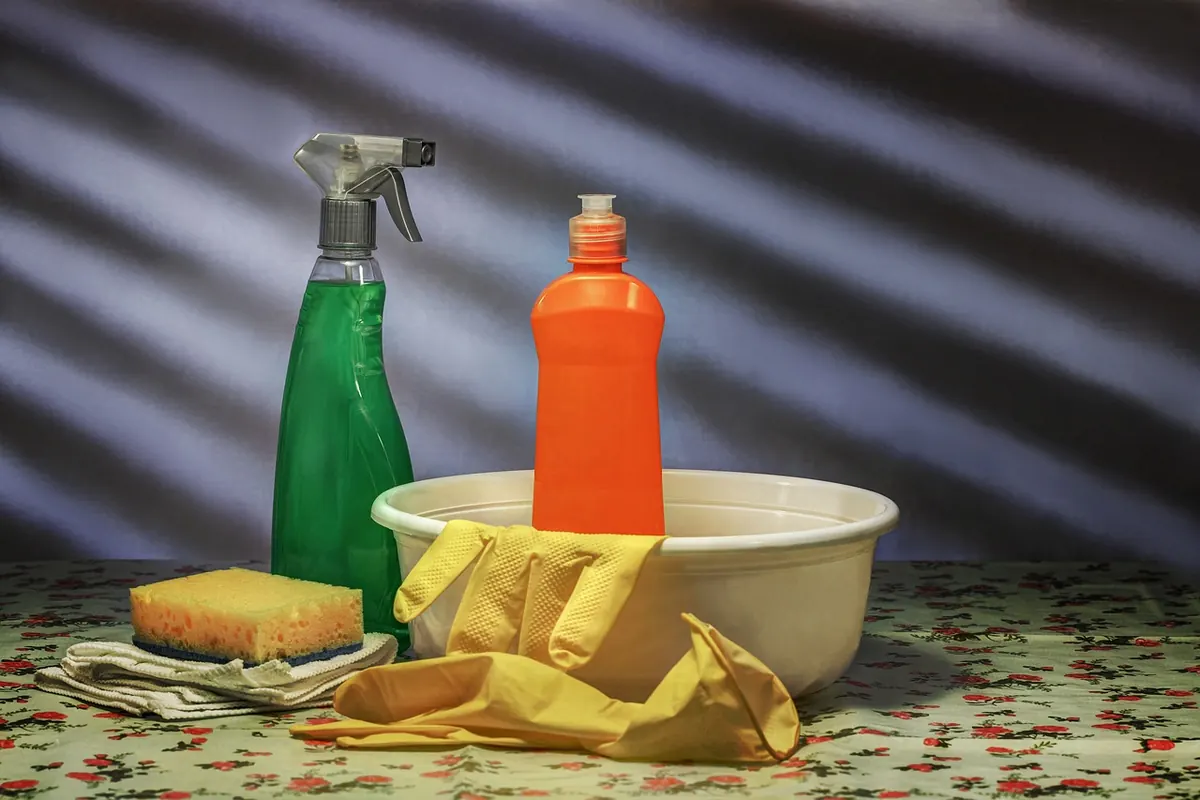
Do this before you sit down with a cup of tea, because dried allotment clay sets like concrete and takes rubber with it when it finally flakes off.
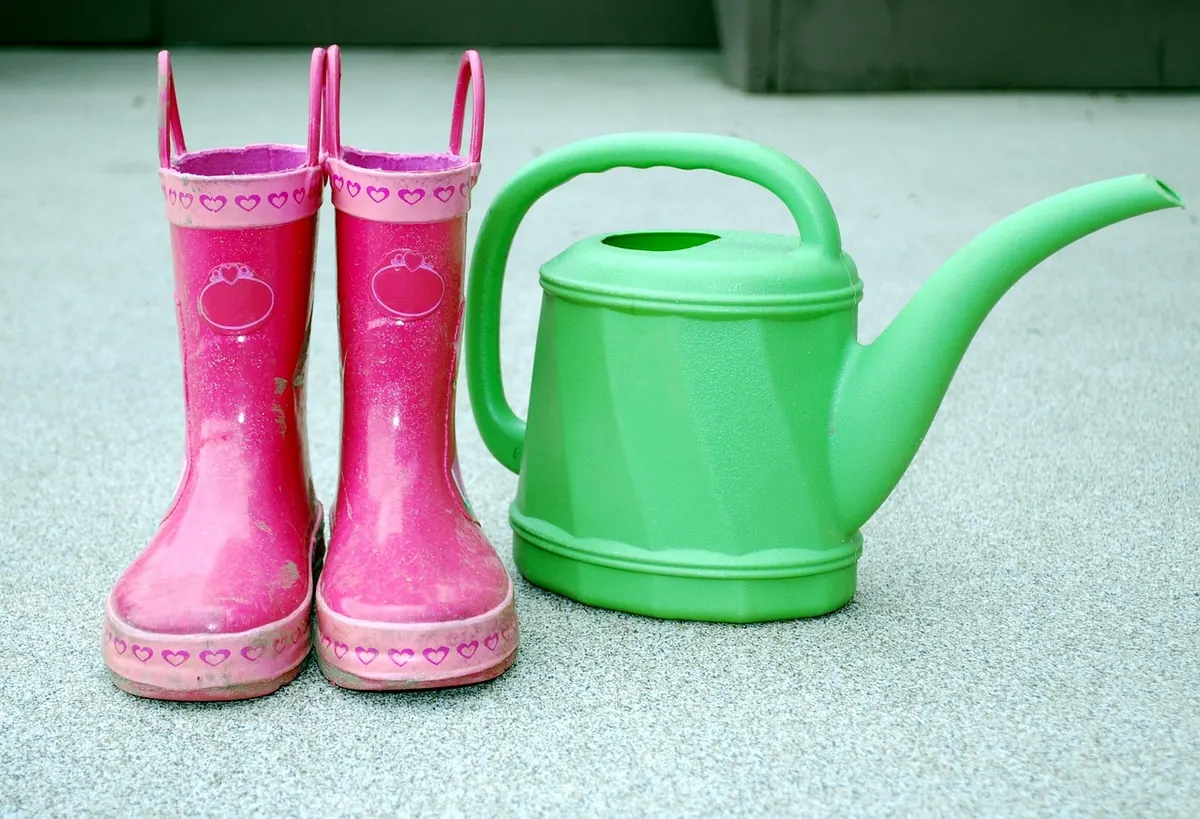
- Rinse with cold water at the tap or with a watering can — hot water can dull and stress rubber over time.
- Use a stiff brush on the tread and around the sole join, where mud hides and cracks start.
- Wipe the inside with a damp cloth if it has been sweating, then let it dry thoroughly.
- Stuff with newspaper or stand them upside down on a rack so air moves through.
- Store out of direct sun and away from radiators or a hot stove, which dry rubber out and shorten its life.
- Keep them upright or hanging. Folded boots crease, and creases become splits.
A Routine You Can Keep
None of this takes long once it becomes habit. Keep a boot jack or a sturdy stick by the shed door, a boot tray in the car, and a cheap second pair at the plot for the wettest weeks so the clean pair stays for the drive home. Clear the tread, check the inside, choose the height, and the mud stays where it belongs — on the plot, not in your socks.
Photo: Merio / Pixabay