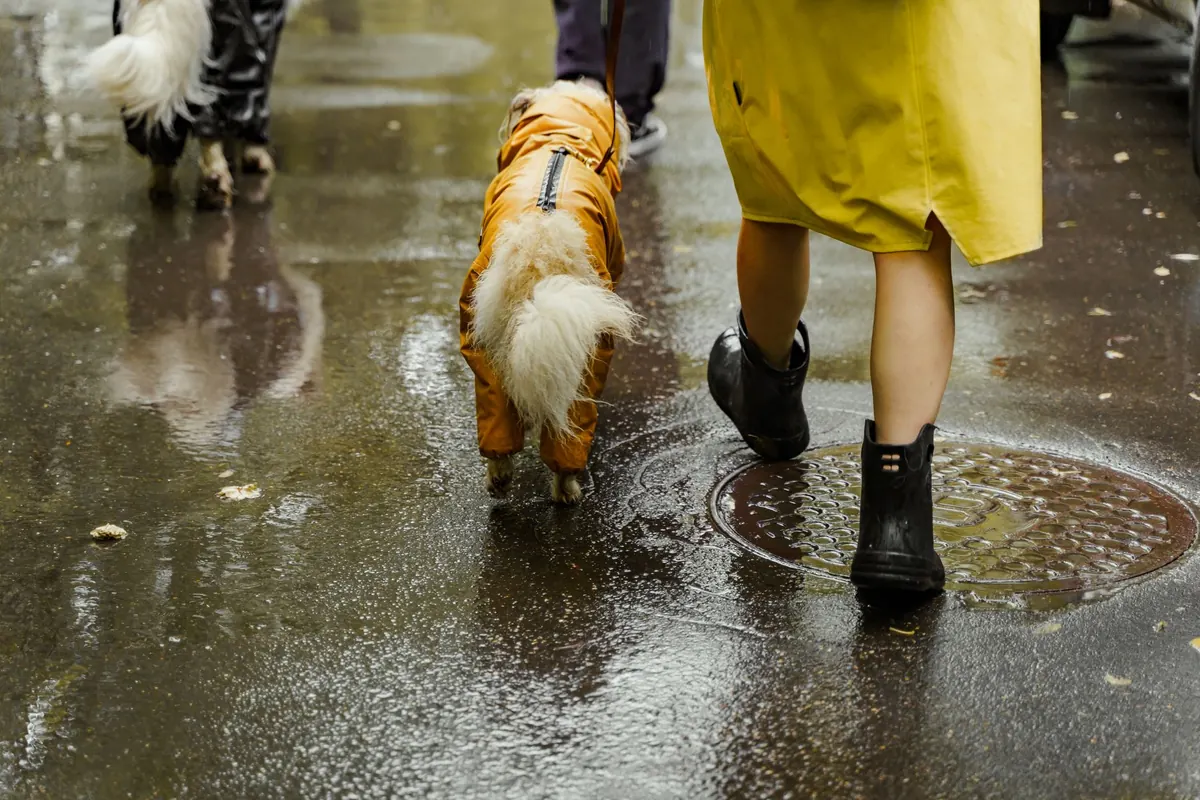

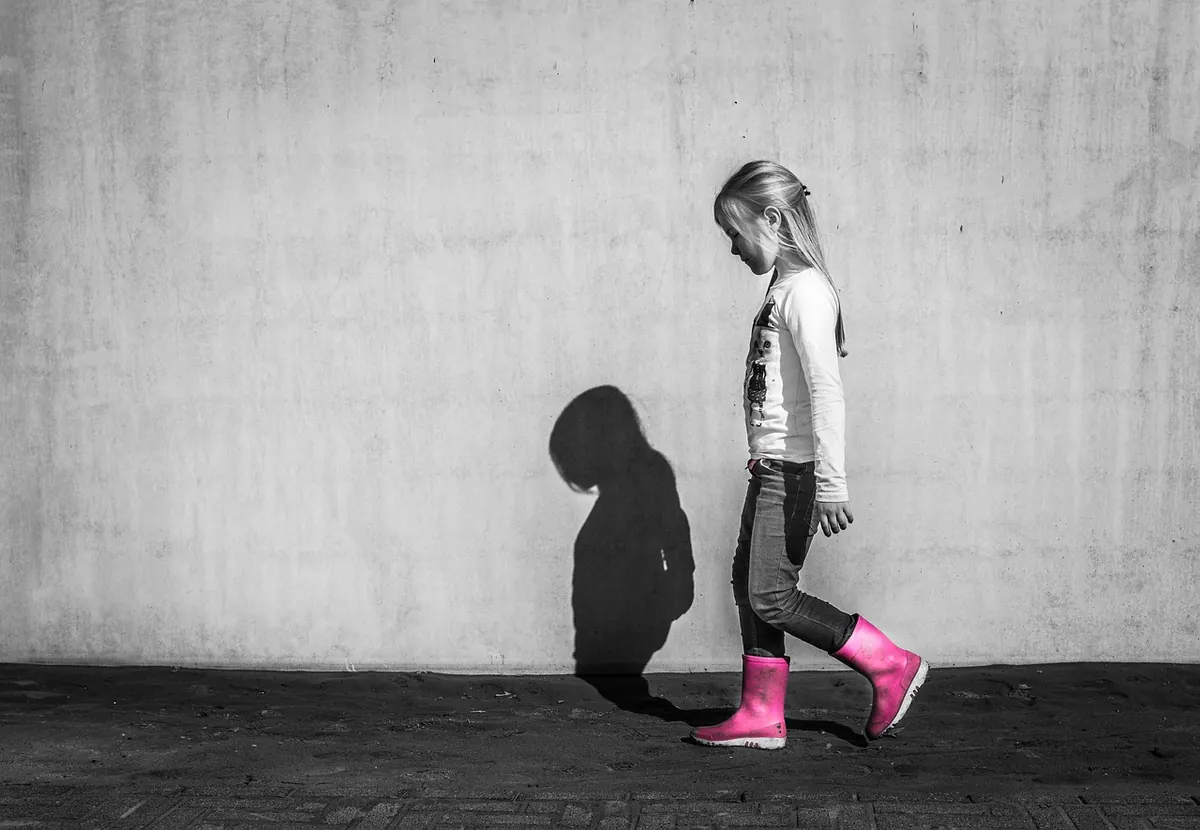
It happens the same way in most families. Your toddler learns to walk, and within a fortnight they have discovered puddles. Stomping is the game now. You need something on their feet that keeps water out without making them walk like they are clomping around in someone else's shoes.
That is where toddler rain boots and puddle shoes come in. In a shop photo the two look similar. On a wet pavement they behave very differently, and the difference matters most for a child who only started walking a few months ago.
What Counts as a Rain Boot and What Counts as a Puddle Shoe
Rain boots (wellies, gumboots) are one molded piece of rubber or PVC, usually reaching mid-calf or higher, with a chunky tread and often small handles at the top. They are fully waterproof right up to the shaft.
Puddle shoes sit at ankle height. The lower part is rubber or rubberized, the upper is textile, neoprene or a synthetic knit, and the fastening is usually velcro or elastic laces. They are built like a trainer that happens to have a waterproof base. The upper is not designed to be submerged.
Almost every other difference follows from one thing: shaft height. Tall means more protection and more weight. Low means less protection and a shoe that behaves like a shoe.
Grip on Wet Pavement, Playgrounds and Kitchen Floors
Grip is not one quality. Two things decide it: how deep the tread is, and how soft the rubber is.
- Deep lugs push water and mud out of the way. Good on wet grass, gravel, bark chips and muddy paths.
- Softer rubber with fine slits (called siping) grips smooth wet surfaces: painted playground flooring, paving slabs, supermarket tiles, wet decking.
Plenty of inexpensive rain boots have hard rubber and shallow decorative tread, which is exactly the combination that slides on wet tile. Puddle shoes tend to use the same approach as a trainer outsole, so they hold better on flat wet ground. If your toddler still wobbles when they walk, that is worth more than a cute print.
In the shop, turn the boot over and press a fingernail into the tread. If the rubber feels like a plastic toy, it will behave like one on a wet floor. Look for grooves that are a few millimetres deep and go somewhere, rather than a pattern printed onto an otherwise flat sole.
Flexibility and Weight: What Early Walkers Actually Need
A toddler who has been walking for six months is still working out where their feet are. A sole that bends with the foot gives them useful feedback. A stiff, heavy boot gives them a lump to drag.
The test is simple. Hold the boot with one hand on the heel and one on the toe, and bend it. It should flex at the ball of the foot, roughly a third of the way from the toe, the same place a foot bends. If it only folds in the middle of the arch, or not at all, it is too rigid for a new walker.
Rain boots generally lose this comparison. Molded rubber is thick, and a toddler-sized welly can weigh a surprising amount next to a two-year-old's leg strength. Lighter flexible wellies exist and are worth hunting for. Roll-up and EVA styles are lighter still, though thin EVA treads wear down quickly if your child walks on tarmac every day.
Puddle shoes are lighter, more flexible and closer to the everyday shoes your toddler already wears. For a child who has only just found their feet, that can be the difference between a happy walk to the park and sitting down in protest after ten minutes.
Three quick checks before you buy
- Bend the sole at the ball of the foot.
- Weigh both boots in your hands and compare them.
- Put them on your toddler and watch them walk a few steps, if the shop allows it.
Waterproofing: Match It to the Puddles You Actually Have
Rain boots win outright in deep water. Knee-high puddles, muddy streams, wet sand, a farm visit: nothing gets in unless it comes over the top of the shaft.
Puddle shoes handle wet grass, shallow puddles, splashing at the edges and the walk to nursery in drizzle. They struggle when water goes over the ankle cuff, or when a soaked trouser leg wicks moisture down into the sock. The textile upper will also eventually soak through if your toddler stands in deep water for a while, even though the base is waterproof.
There is a comfort point here too. Rubber does not breathe. Feet sweat inside wellies, and warm damp feet get cold the moment your toddler stops running around. Puddle shoes with a textile upper breathe better, so they stay comfortable across a whole morning rather than twenty minutes.
If your week is nursery runs, playgrounds and shallow puddles, puddle shoes cover most of it. If you have a puddle hunter who will find the deepest water in the park within thirty seconds of arriving, buy boots.
Getting Them On and Keeping Them On
This is the part parents forget until they are crouching in a doorway with a wriggling child. Boots are easy to step into, but mud has a habit of sucking them straight off again, leaving one cold sock and one very upset toddler.
Sizing up "for room to grow" is the classic mistake with wellies. Oversized boots slip off the heel, rub, and trip a child who is not yet steady. You want roughly a thumb's width between the longest toe and the end of the boot, with the heel held snugly. Puddle shoes are usually fastened with velcro, which keeps them on the foot better, though they can be fiddlier to get onto a reluctant foot.
A few things worth looking for in either style:
- Wide opening or a side gusset, so a foot slides in without a fight.
- Pull handles on boots, which help you and give your toddler something to grab.
- Socks in wool or a synthetic blend, which stay warm when damp. Cotton goes cold fast.
- Removable insoles, handy for drying and for checking fit as feet grow.
Cost, Hand-Me-Downs and Real Value
Rain boots are usually the cheaper purchase, but they are often treated as outerwear and worn for a handful of outings a season. Puddle shoes cost more and get worn almost daily through autumn and spring, which changes the maths. Cost per wear is the number that matters, not the price tag.
Second-hand boots are fine if you check them properly. Rubber goes brittle with age and sunlight, so look for small cracks where the toes bend and along the join between sole and upper. A crack there means wet feet within minutes. Textile puddle shoes survive being passed down reasonably well, as long as the rubber lower is still intact and the velcro still grips.
For many families the best value is one well-fitting pair of rain boots for genuinely wet days and one pair of puddle shoes for everything else. If the budget only stretches to one pair, buy the one that matches your weather and your weekly routine, not the one that looks nicest on the shelf.
A Quick Way to Decide
Run through your actual week before you buy.
- Just started walking, still unsteady, mostly pavement and wet grass: puddle shoes.
- Deep puddles, streams, mud, forest nursery or farm days: rain boots, and choose lightweight flexible ones.
- City pavements and smooth playground surfaces in the rain: puddle shoes with soft rubber tread.
- Beach, sand and rock pools: rain boots, so sand does not get inside a shoe.
- Room in the budget for both: boots for wet days, puddle shoes for the other four days a week.
Whichever you choose, check the fit every month or so. Toddler feet can change quickly, and a boot that fitted comfortably in September may pinch by November. Dry boots and shoes upside down, away from radiators, so the rubber does not harden. And if you are worried about how your toddler walks, the shape of their feet, or repeated tripping, ask your pediatrician or a podiatrist rather than buying another pair of shoes and hoping.
Photo: ClickerHappy / Pixabay